

industry
The site changes weekly. The record should not.
Crews, subcontractors and plant that move between sites, with a schedule rewritten every time weather, access or a delivery slips.
what is different here
Work moves. Paperwork does not follow it.
-
Nobody owns the schedule
Site managers, subcontractors and the office each keep their own version, and the three stop agreeing by Tuesday.
in Etaprise → one board every party reads from
-
Plant goes missing between sites
Equipment moves on a phone call. Nobody is sure which site has the compactor until someone drives out to look.
in Etaprise → assets tracked against the site holding them
-
Sign-off arrives weeks later
Completion paperwork travels back to the office in a van, then waits for someone to type it in before anything can be billed.
in Etaprise → signed on site, billed from the job
On site
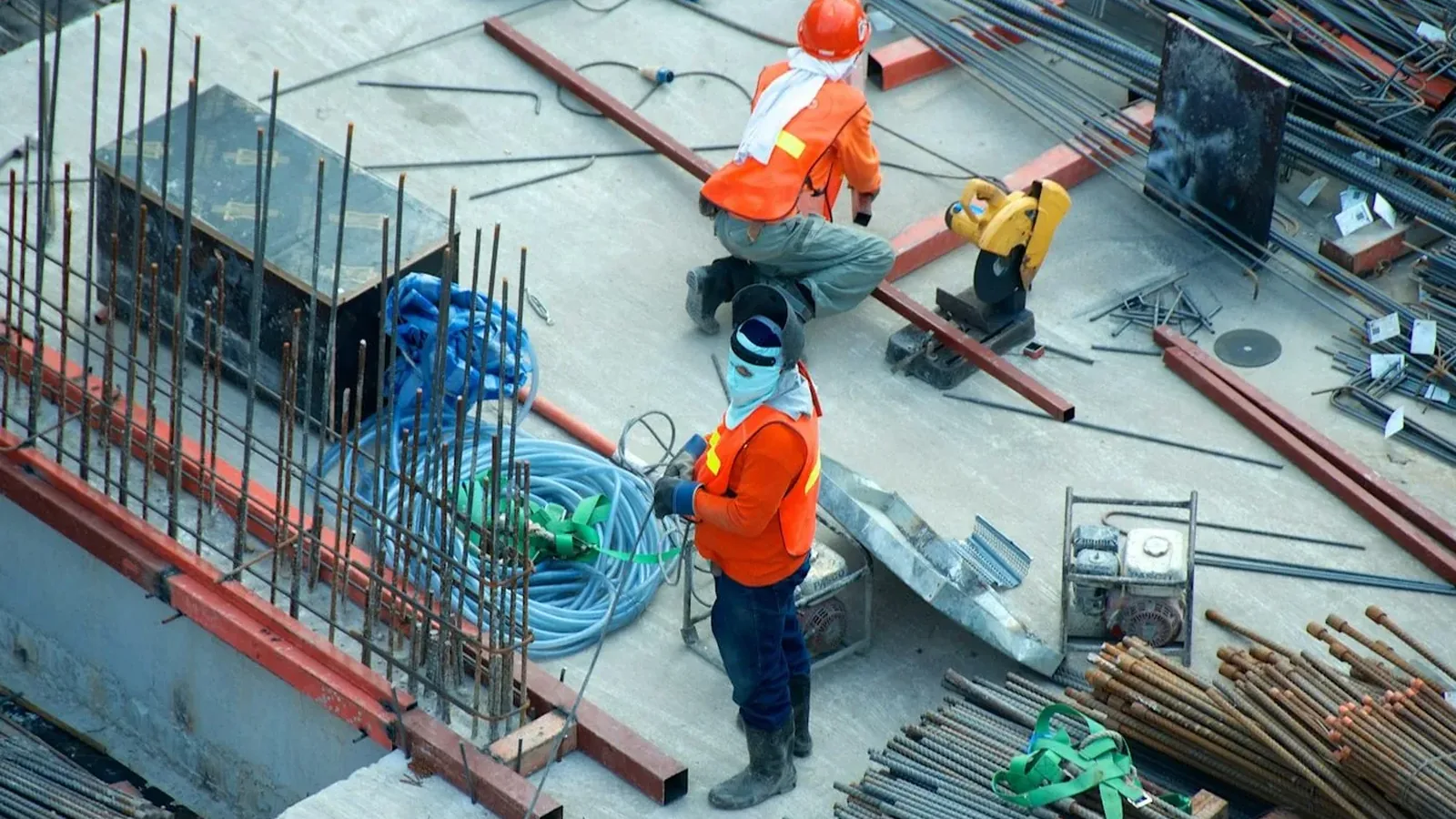
the setup
The capabilities that carry most of the weight here.
The rest of the platform is still there. Sector setup changes which forms attach to a job, which certifications gate an assignment, and what a closed job has to prove, not which software you are running.
what a rollout looks like
In order, and with honest timings.
Nothing here needs a big-bang cutover. The sequence below is roughly how construction and engineering contractors get there, and roughly how long each stage takes before it is carrying real work.
-
weeks 1–2
Work orders and the board
Get every job (planned, variation and callout) onto one board across sites. This alone usually replaces the site spreadsheets and the WhatsApp groups that currently hold the schedule.
-
weeks 2–4
Forms, permits and sign-off
Build the inspection, safety and handover forms you already use on paper, with the conditional logic that keeps them short on site. This is the stage that takes real effort, because it means agreeing what your method actually is.
-
weeks 4–8
Assets and subcontractors
Register plant and installed systems as jobs touch them, and bring subcontracted work onto the same records so a client cannot tell which crew was yours.
-
ongoing
Scheduling and commercial
Once qualifications and travel history exist, AI scheduling has something real to optimise. Contracts and variations follow, so what was built is what gets billed.
questions from this sector
The objections we hear, answered plainly.
Then do not make them. Subcontracted work can be managed as work orders your coordinators own, with the subcontractor receiving a job pack and returning evidence. You lose live status and keep the record.
As quoted scope against the original job, so the variation, its approval and the work it created stay on one thread. This is usually the fastest thing to pay for itself.
No, and it should not try. It owns the service and maintenance work, plant and installed assets. Programme and cost control stay where they are; the two exchange data.
Qualification requirements and forms are set per site and per job type, so a crew crossing a border gets the right permit set and is blocked from work they are not ticketed for there.
further reading
Further reading
Bring us a week of your jobs.
We will schedule a real week across your sites, crews and subcontractors.
Book a demoother industries