One Platform. Every Operation. Connected Intelligence.

One Platform, one record. Etaprise unifies Field Service, Sales, Contracts Management, Customer Service Operations, Warehouse, Fleet, Projects, BOM Estimator, and IoT Connected Assets on the same operating system - so nothing gets retyped between them.

Live in weeks, not quarters Works with zero signal Two-way ERP sync Enterprise-grade security

the honest version

Your operations stack is eight tabs and a spreadsheet.

01

You are paying for eight systems

Dispatch here, telematics there, asset tags in a third tool, stock in a spreadsheet. Nobody owns the number that matters.

02

Your best people are doing data entry

Dispatchers spend half a shift retyping what a technician already wrote down. That is the job you hired them out of.

03

The job is done, the cash is not

Work finishes Tuesday and bills a fortnight later, because finance is waiting on a paper trail that is still in a van.

what One Platform actually buys you

One record, from the sensor alert to the settled invoice.

the shared data model

An alert books the technician, reserves the part and updates the customer

No keystroke, no hand-off, no export. IoT Hub raises the fault, AI FSM finds the certified engineer, WMS holds the part on the right van, and Customer 360 tells the account before they ring you.

Offline

Built to work with zero bars

Data, photos and signatures captured without a signal, synced on reconnection.

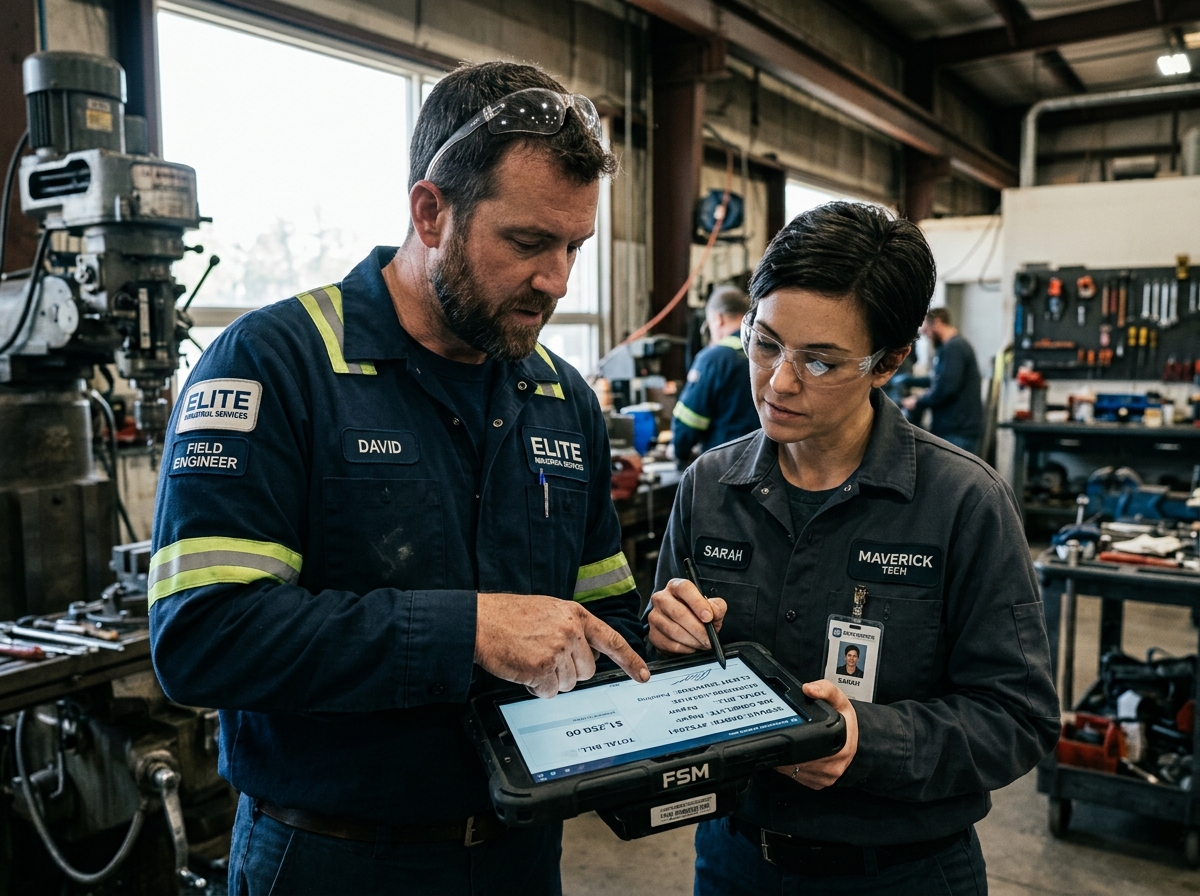
Field service digital sign-off and instant billing

field to finance

Signed off on site, billed the same day

Rate cards and contract terms apply at completion, and the entitlement lock stops unbilled variations leaving the site.

built for the point of work

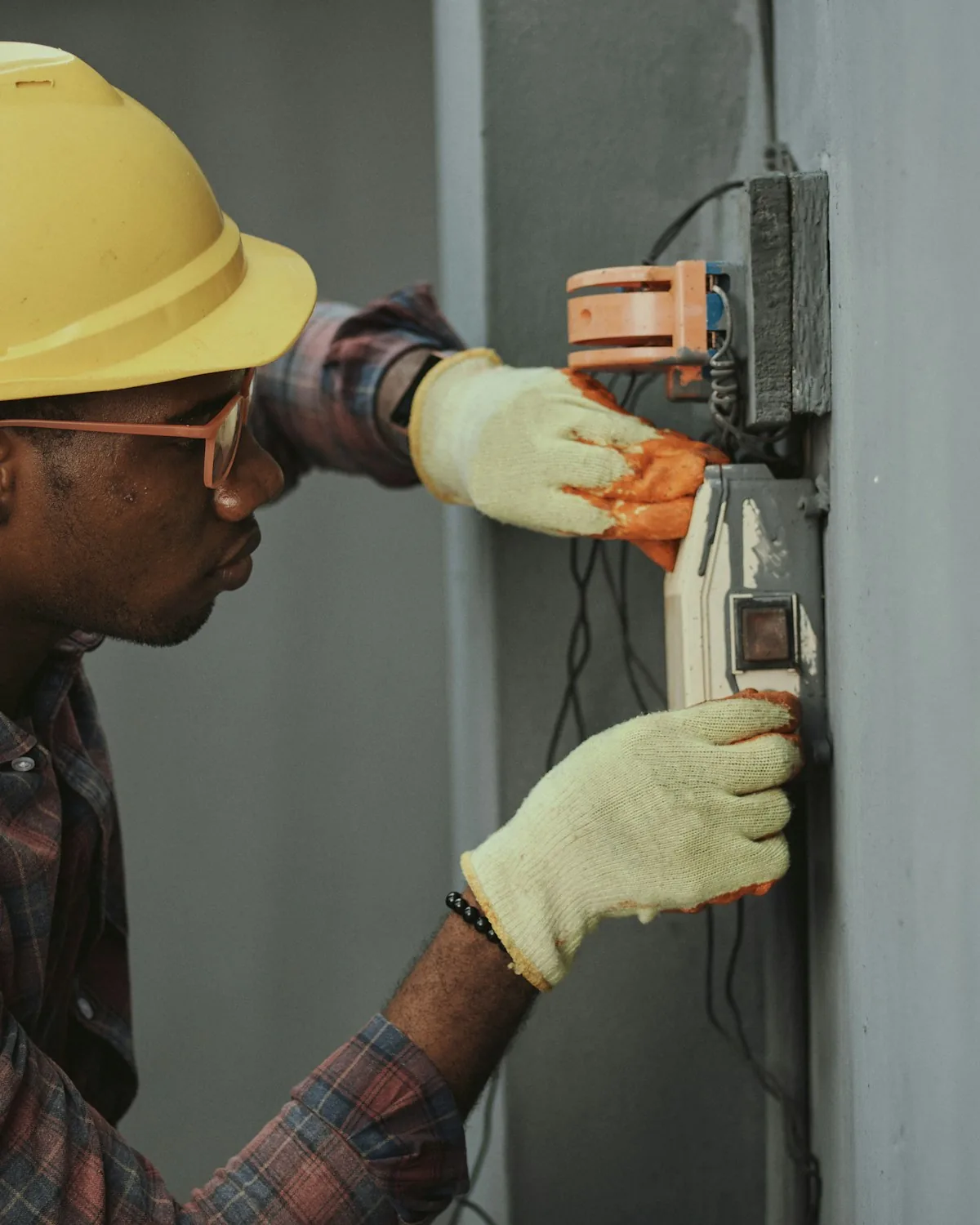
Procedures and history in the technician’s hand

Remote assistance pulls in an expert instead of booking a second visit.

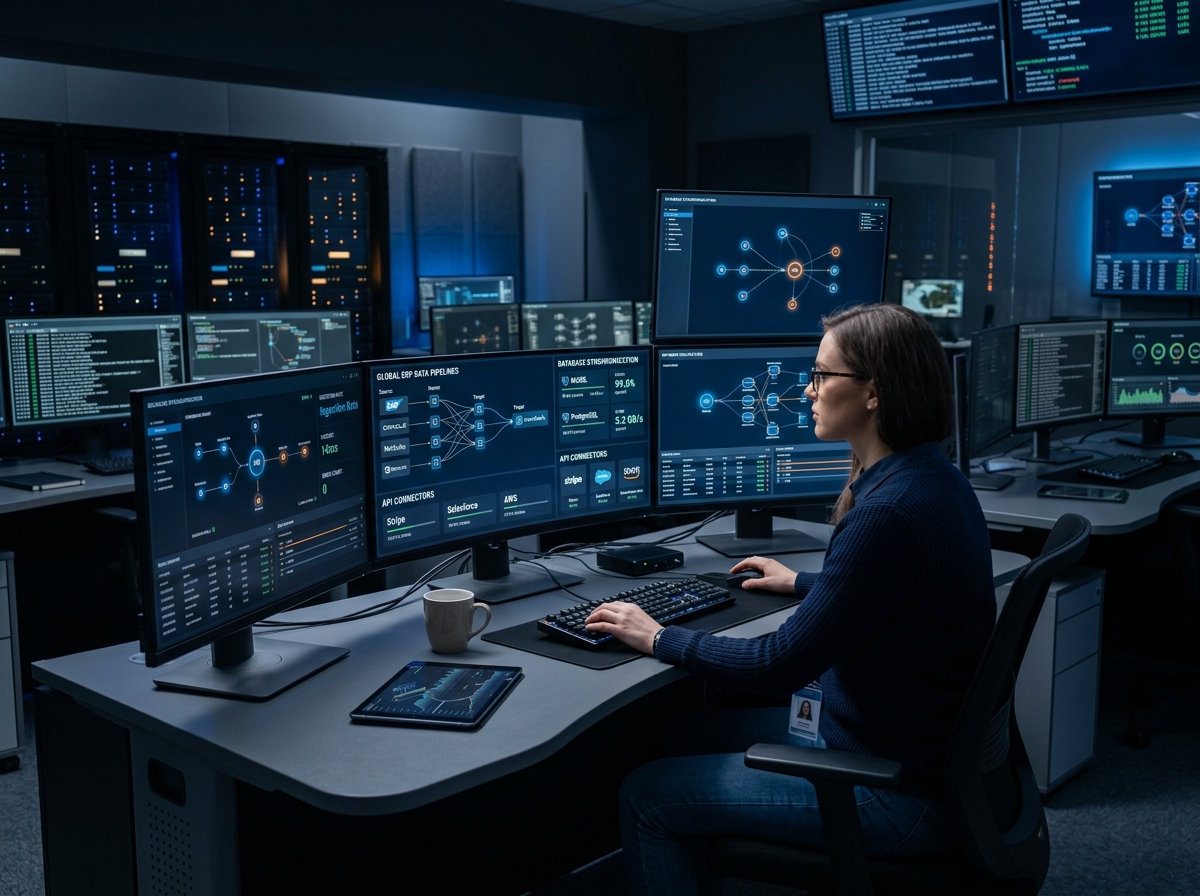
Two-way enterprise ERP, CRM, and accounting synchronization

no rip and replace

Two-way sync with the ERP you already have

Connects seamlessly with leading enterprise ERP, CRM, and accounting systems over REST and GraphQL.

9

Specialised engines

Each one useful alone, all nine on One Platform.

16

Capabilities

Scheduling to invoicing, on a single work order.

12

Sectors configured

One system, set up differently per industry.

1

Shared record

Every engine reads and writes the same work order.

how it actually works

Three steps. Nothing re-typed in between.

Everything lands in one place

A sensor alert, a customer call, a contract interval, a driver clock. They all arrive as the same record type with the same fields, so there is nothing to reconcile later.

The engine picks, the crew works

Skills, certifications, van stock, entitlements and travel corridors are weighed before anyone is proposed. Then the app works offline, because the basement does not have bars.

Closeout without re-entry

Signature captured, entitlements locked, parts written back, invoice or progress billing application raised. Job margin shows against the job, not in next month’s report.

configured per sector

Engineered for the hardest physical operations.

All twelve industries

All sixteen capabilities in detail

before you book anything

What operations leaders ask first.

How long until we are actually live?

Weeks, not quarters. We start with one region or one contract type, load your real work orders and asset registers, and run it alongside what you have today. You expand when the numbers hold up, not because a licence renewal forces it.

Do we have to replace our ERP?

No. ETAPRISE OS is the operations layer, not your general ledger. It syncs two ways with your enterprise ERP, CRM, and accounting systems, so parts usage, purchase orders and cost centres stay where finance expects them.

What happens when there is no signal?

The mobile apps carry a local offline core. Engineers and drivers capture data, photos and signatures with zero bars, and everything syncs on reconnection. That is a design constraint, not a fallback mode - hoistways, plant rooms and remote corridors are where the work happens.

Can we start with one engine instead of nine?

Yes, and most operators do. Each engine is useful on its own and they share One Platform, so adding the second one is configuration rather than another integration project.

Will it pass our security review?

It is built for that conversation: TLS 1.3 mutual authentication, role-based access control, multi-region deployment and on-device offline fallback. We will sit with your security team rather than send a PDF.

Bring us a week of your real jobs.

Your work orders, your vans, your asset registers. We will configure ETAPRISE OS around them and run it live in front of you - not a canned demo tenant.

30 minutes · no slide deck · talk to someone who has run a dispatch desk

Explore the platform Book a demo