

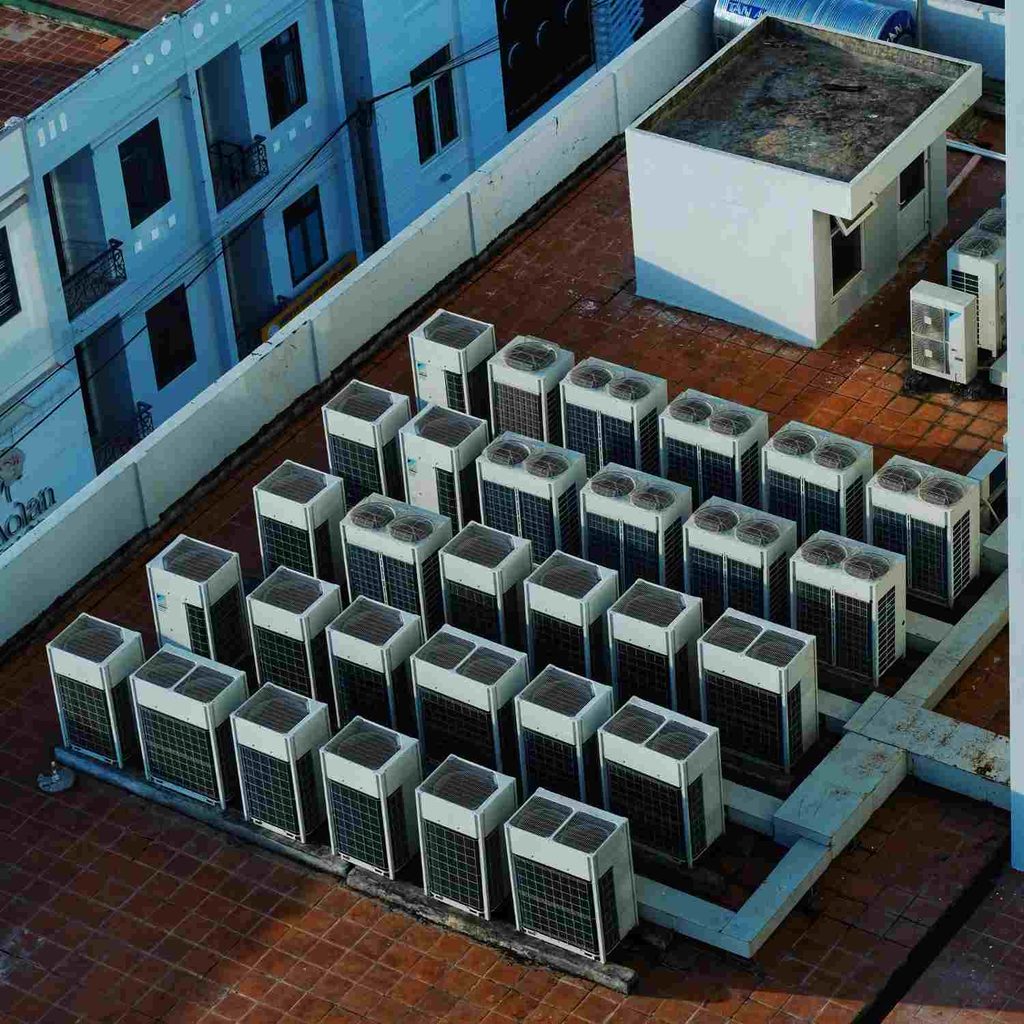
Implementing robust HVAC Software Australia is transforming daily field operations for Australian trade contractors. At 6:15 AM on a 38°C January morning in Western Sydney, a commercial HVAC fleet manager faces a familiar operational crisis. Three hospital chiller alarm warnings go off simultaneously, two technicians call in sick, and five scheduled preventative maintenance visits are waiting in the queue. Running a trade fleet on manual spreadsheets or legacy FSM tools means spending two hours making frantic phone calls, risking unassigned emergency jobs, and sending technicians across town without verifying their ARCtick accreditation. Commercial air conditioning operations require real-time coordination to maintain client trust.
Modern commercial air conditioning contractors cannot afford operational delays or uncoordinated field logistics. Adopting specialized HVAC Software Australia platforms powered by artificial intelligence allows commercial trade operations to instantly match job requirements, technician tickets, and customer SLAs without admin guesswork. Modern field service software replaces outdated manual methods with dynamic digital scheduling and real-time operational visibility across all active worksites.
| Feature | Manual Legacy FSM | AI Field Service FSM |
|---|---|---|
| Dispatch Matching | Manual phone calls | Instant ticket match |
| Compliance Checks | Paper SWMS audit | Automated ARCtick sync |
| Invoice Cycle | 32 to 50 days | Under 48 hours |
When evaluating software options, trade leaders must choose platforms built specifically for Australian regulatory conditions. Implementing intelligent AI Scheduling and automated Dispatch capabilities transforms field operations into predictable profit centers. Trade fleet owners gain full control over daily job movement, ensuring technicians spend more time completing work and less time stuck in city traffic.
Byline: The Etaprise Trade Operations Team – field service management specialists with hands-on experience across Australian plumbing, electrical, HVAC, fire protection, and construction businesses.
Why Are Australian HVAC Contractors Switching to AI Field Service Software?
Legacy field management methods cost Australian air conditioning contractors tens of thousands of dollars annually through unbilled technician hours, lost refrigerant charges, and administrative delays. Relying on paper job dockets or generic scheduling apps creates severe operational blind spots that directly erode profit margins for growing fleets. Unclear job instructions and lost receipts cause friction between office managers and field technicians.
| Leakage Category | Operational Cause | Cost Per Year |
|---|---|---|
| Unbilled Travel Overtime | No GPS route tracking | $24,500 |
| Unrecovered Refrigerant Gas | Missing gas usage logs | $14,200 |
| Delayed Invoicing Cash Flow | 38-day paper cycle | $18,600 |
| Missed Preventative Audits | Manual DA19 scheduling | $31,000 |
A primary driver of administrative loss is inefficient paper-based job tracking across mobile workforces. Factual financial data from CreditorWatch and Xero Small Business Insights reveals that Australian trade contractors relying on manual paper job sheets experience average invoice payment cycles of 32 to 50 days. Slow payment cycles restrict business cash flow, preventing trade owners from investing in new equipment, hiring skilled workers, or taking on larger commercial contracts.
PROFIT IMPACT: For a 10-technician HVAC business operating at an average rate of $110 per hour under the Fair Work Building and Construction Award, losing just 30 minutes per technician each day in unrecorded travel or admin time equates to over $130,000 in lost billable revenue every year.
Effective HVAC Management requires total visibility over field labor and asset history. Without real-time Technician Tracking, fleet managers cannot verify whether technicians have arrived at remote job sites, leading to unbilled overtime claims and client billing disputes. Maintaining detailed digital records ensures every billable hour is accounted for correctly.
When trade contractors calculate the true cost of administrative overhead, manual processes cost far more than implementing modern digital tools. Transitioning away from manual scheduling removes administrative friction, protecting trade businesses from margin erosion while building a solid foundation for automated compliance. Fleet owners achieve peace of mind knowing all job data is secured and searchable instantly.
How Does HVAC Software Australia Enforce ARCtick and DA19 Compliance?
Artificial intelligence streamlines HVAC operations by automatically matching emergency call-outs and routine maintenance jobs to qualified field technicians based on live GPS location, traffic patterns, and mandatory regulatory accreditations. Instead of spending hours manually juggling job boards, fleet managers use automated algorithms to dispatch the right technician to the right site in seconds. Automated dispatching balances workload evenly across field teams.
| Dispatch Workflow Step | Operational Action | System Validation |
|---|---|---|
| Step 1 Emergency Call | Reads customer SLA and asset data | Priority flag verified |
| Step 2 AI License Filter | Checks ARCtick RHL and electrical ticket | Compliance verified |
| Step 3 Proximity Routing | Selects closest technician in transit | GPS location mapped |
| Step 4 Mobile Dispatch | Pushes job details and SWMS to app | Instant tech notification |
Regulatory compliance is a core reason commercial fleets switch to intelligent FSM solutions. In Australia, handing a refrigerant servicing job to an unlicensed worker violates the Ozone Protection and Synthetic Greenhouse Gas Management Regulations enforced by the Australian Refrigeration Council (ARC). Automated AI Scheduling cross-references every technician’s Refrigerant Handling Licence (RHL) and Refrigerant Trading Authorisation (RTA) in real time before confirming job assignments. Protecting license validity prevents costly commercial disputes.
Commercial maintenance contracts governed by the AIRAH DA19 HVAC&R Maintenance Handbook require precise recurring service schedules for chillers, air handling units, and cooling towers. Smart Dispatch platforms automatically generate recurring preventative maintenance work orders, ensuring commercial building contracts never fall out of compliance. Facility managers appreciate receiving timely automated service reports after every visit.
Pro Tip / Operational Compliance
Takeaway: Dispatching an unaccredited technician to handle fluorocarbon refrigerants risks penalties exceeding $99,000 under ARC regulations. Intelligent dispatch platforms automatically lock uncertified technicians out of restricted HVAC job categories.
Automating schedule optimization eliminates travel overlap between job sites, reducing fuel consumption by up to 22% while increasing daily completed job counts for Australian air conditioning operations. Dynamic routing adapts to unexpected traffic delays, keeping technicians on schedule throughout the day.
What Return on Investment Do HVAC Fleets Achieve with AI Dispatching?
Digital HVAC software in Australia protects business margins by eliminating paperwork penalties, capturing billable variations during routine inspections, and providing an undeniable audit trail for commercial facility managers. Automating compliance records ensures HVAC contractors never lose revenue due to uncertified work or missing safety documentation. Clear audit trails protect contractors during contract renewals.
| Standard Regulation | Scope Requirement | Automated FSM Feature |
|---|---|---|
| AIRAH DA19 Handbook | Commercial asset service logs | Recurring asset tasks |
| AS 1851 Standard | Fire damper maintenance | Mandatory photo audit |
| ARC ARCtick RHL | Refrigerant gas tracking | Digital gas logbook |
| Safe Work Australia | Site-specific SWMS | Pre-start mobile sign |
Commercial building managers mandate strict compliance with AS 1851 for routine servicing of fire protection equipment, including mechanical air handling fire dampers and smoke spill systems. When a technician inspects a multi-story commercial site, comprehensive HVAC Management software requires digital photo capture and defect tagging before a job can be marked as complete. Having visual evidence attached to work orders builds long-term customer confidence.
Furthermore, integrating site-specific Safe Work Method Statements (SWMS) into mobile technician apps ensures complete compliance with Safe Work Australia regulations. Technicians must complete digital risk assessments on their mobile devices before starting work on hazardous refrigerants or roof-mounted condenser units. Mobile safety checklists reduce workplace accidents and lower workers’ compensation insurance premiums.
QUICK-WIN COMPLIANCE CHECKLIST:
- Automated ARCtick gas recovery logs attached to every job card.
- Pre-start digital SWMS completion required before timer start.
- AS 1851 fire damper inspection logs stored with date-stamped photos.
- Instant customer email notifications upon asset service sign-off.
By digitizing asset servicing histories, air conditioning contractors convert routine DA19 inspections into recurring revenue, identifying equipment defects early and generating immediate repair quotes for commercial clients. Automated quoting tools allow clients to approve repairs directly from their mobile phones.
How Do HVAC Fleets Onboard Technicians to AI FSM Software Without Downtime?
Onboarding a field workforce to new software requires a structured change management plan that minimizes disruption to daily service calls. Australian HVAC contractors often worry that older technicians will resist moving away from paper dockets, but intuitive mobile interfaces designed for field environments ensure high adoption rates within the first week of deployment. Clear communication helps technicians embrace digital tools quickly.
Successful rollout begins with pre-loading client records, equipment registers, and asset service histories into the platform before technicians receive their logins. When field staff open their mobile application on day one, all site addresses, job instructions, and asset manuals are already accessible at their fingertips. Having complete information available offline prevents frustration on remote worksites.
| Implementation Phase | Key Operational Tasks | Expected Timeline |
|---|---|---|
| Phase 1 Data Prep | Import Xero client lists and asset histories | Days 1 to 3 |
| Phase 2 License Mapping | Pre-load ARCtick tickets and electrical licences | Days 4 to 5 |
| Phase 3 Field Training | Mobile app walkthrough and SWMS practice | Days 6 to 7 |
| Phase 4 Full Go-Live | Live dispatch and mobile invoice generation | Day 8 onward |
Providing practical, hands-on training during toolbox talks ensures technicians understand how mobile SWMS forms and photo uploads save them time at the end of the day. Under the Fair Work Electrical Contracting Award, time spent completing software training during work hours is fully compensated, turning change management into a positive team activity. Empowered workers take pride in operating modern digital equipment.
Furthermore, Australian tax provisions allow trade businesses to deduct cloud software costs and implementation expenses as immediate operational write-offs, maximizing financial returns from day one. Fleet managers who involve senior technicians in early software testing create internal champions, accelerating business-wide adoption across multi-van operations. Successful onboarding creates a united, modern trade workforce.
How Does Real-Time Technician Tracking and Xero Sync Speed Up Cash Flow?
Real-time technician tracking combined with two-way accounting integration speeds up cash flow by allowing HVAC businesses to issue invoices immediately upon job sign-off. Instead of waiting weeks for paper job cards to be collected and re-entered, completed field work triggers automatic draft invoices in Xero or MYOB in real time. Instant invoicing ensures businesses maintain healthy cash reserves.
| Cash Flow Stage | Field Action | Accounting Automation |
|---|---|---|
| Stage 1 Field Sign-off | Customer signs mobile tablet | Job status marked complete |
| Stage 2 Parts and Labor | Gas and materials recorded | Fair Work hours calculated |
| Stage 3 Instant API Sync | Data sent to Xero or MYOB | Draft tax invoice created |
| Stage 4 On-site Payment | Mobile gateway payment | Invoice marked paid |
Integrating live Technician Tracking with job management workflows ensures accurate labor recording under the Fair Work Electrical Contracting Award. GPS location pings verify exact arrival and departure timestamps at client sites, protecting trade businesses from disputed invoice charges and unrecorded overtime. Verified timestamps provide clear proof of work completed.
When technicians finish servicing an air handling unit or repairing a commercial chiller, they log parts used, refrigerant recovery amounts, and customer signatures directly on their mobile app. Modern HVAC Software Australia systems transmit this data via API, automatically calculating job profitability before the technician leaves the site. Real-time margin tracking helps owners identify profitable job types.
LEAD-GEN ASSET: Want to calculate how much cash flow your trade fleet is losing to manual billing delays? Use the Etaprise ROI Calculator to see how compressing your invoice cycle can unlock up to $45,000 in working capital.
Eliminating manual data re-entry removes administrative errors, ensuring that purchase orders, supplier invoices from Reece or Middy’s, and field labor costs align perfectly on every commercial job. Accurate job costing guarantees that material price increases are passed on to clients appropriately.
Your Next Step to Transform Your HVAC Field Operations
Ready to eliminate paper job cards, enforce automated ARCtick compliance, and compress your invoice payment cycles to under 48 hours? Book a Free Demo with Etaprise today and discover how specialized HVAC Software Australia empowers Australian trade fleets to protect margins and streamline field operations. Taking proactive steps today sets your business up for sustained success.
Ready to Modernise Your Trade Operations?
Eliminate paperwork bottlenecks, automate field compliance, and speed up invoicing across Sydney, Melbourne, Brisbane, and beyond.
Frequently Asked Questions
Specialized HVAC software includes built-in compliance tracking for Australian trade regulations, such as ARCtick refrigerant tracking, AIRAH DA19 maintenance schedules, and AS 1851 fire damper inspection workflows. Generic job management tools lack specialized gas recovery logs and license-matching algorithms, leaving HVAC contractors vulnerable to compliance fines.
AI scheduling algorithms check technician credentials against the Australian Refrigeration Council (ARC) register in real time. The software automatically blocks unaccredited technicians from being assigned to jobs involving controlled fluorocarbon refrigerants, ensuring full compliance with the Ozone Protection and Synthetic Greenhouse Gas Management Regulations.
Yes, modern platforms feature complete offline synchronization. Technicians working in plant rooms, concrete basements, or remote regional sites can complete SWMS forms, log refrigerant usage, and collect customer signatures without an active mobile signal. All data syncs automatically once connectivity is restored.
Two-way accounting integration syncs mobile job card data directly with your Xero or MYOB item catalogue. When a technician adds compressor parts, copper piping, or refrigerant gas to a job on site, the software automatically matches supplier pricing from Reece or Middy’s, preventing unbilled variations.
Most 5 to 20-technician HVAC businesses complete data migration and technician onboarding within 7 to 14 days. Software onboarding specialists import existing client databases, asset service histories, and accounting price lists, providing hands-on training to minimize operational downtime. In conclusion, adopting modern HVAC Software Australia allows commercial trade businesses to automate dispatch, enforce strict regulatory compliance, reduce operational overhead, and build a scalable foundation for long-term profitability across every Australian state and territory.